
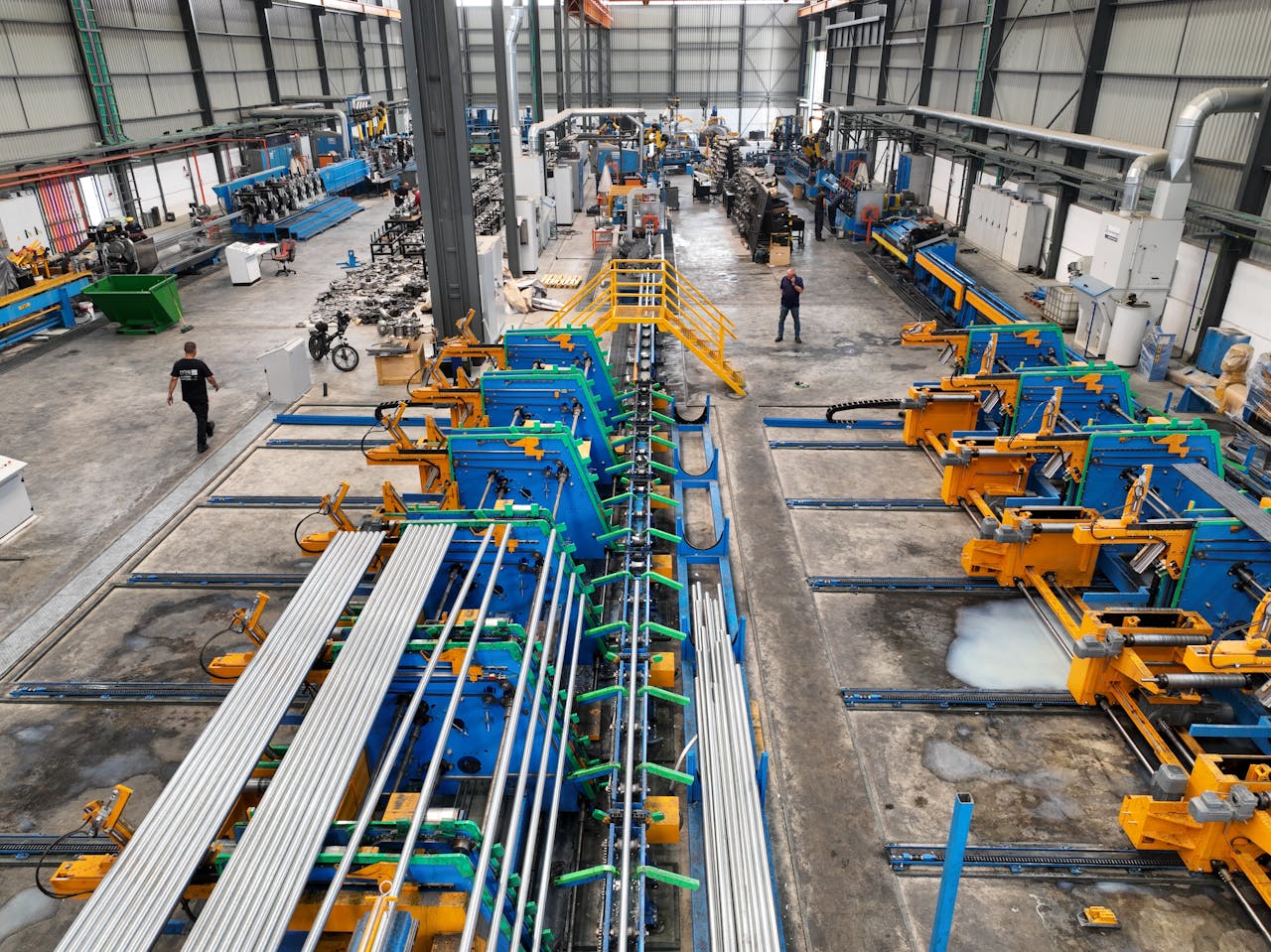
Manufacturers do not all operate the same way. A shop focused on fabrication has very different equipment needs than one running additive systems or plastics processing. What stays consistent is the need to invest in new equipment without slowing down production.
Financing plays a direct role in that decision. When done right, it removes barriers and keeps operations moving forward. When it is too complex or disconnected from real shop needs, it can delay growth.
This is where industry-focused financing makes a difference.
Why Equipment Financing Needs to Be Industry Specific
Every manufacturing segment comes with its own set of challenges.
- Fabrication shops often deal with large, high-cost machines that require careful cash flow planning
- Additive manufacturers need flexibility as technology evolves quickly
- Plastics operations must balance volume production with efficiency upgrades
- Material handling investments often support larger system improvements across a facility
Treating all of these the same creates friction. A financing partner that understands these differences can structure solutions that align with how each operation actually runs.
.jpg?width=1920&height=1080&name=MFR_Industry-Specific-Equipment-Financing_Stock-Image%20(1).jpg)
Financing a Wide Range of Equipment
Manufacturers are not limited to one type of machine or brand. As production needs shift, so does the equipment required to stay competitive.
Financing should support that flexibility.
Across industries, this can include:
- CNC machines and fabrication equipment
- Additive manufacturing systems
- Plastics processing machinery
- Material handling and logistics equipment such as forklifts, conveyors, storage and retrieval systems, and warehouse racking
Many shops focus only on production equipment when thinking about financing. In reality, the systems that move, store, and manage material are just as critical to output and efficiency. Expanding or upgrading these areas can directly impact throughput, labor utilization, and overall workflow.
Reducing Friction in the Buying Process
One of the biggest concerns around financing is complexity. Long approval times, unclear terms, and inconsistent communication can slow down decisions.
A manufacturing-focused financing approach changes that.
- Clear communication keeps projects moving
- Faster approvals reduce downtime between decision and implementation
- Consistent support removes uncertainty from the process
Instead of becoming a bottleneck, financing becomes part of the solution.

Supporting Continuous Investment
Manufacturing is not static. Shops are always looking for ways to improve output, increase efficiency, and expand capabilities.
Waiting until capital is fully available can delay those improvements. Financing provides a way to act when the opportunity is there.
This allows manufacturers to:
- Upgrade equipment as needs evolve
- Take on new work with confidence
- Improve internal logistics and material flow alongside production investments
- Maintain steady production without disruption
Growth becomes a continuous process rather than a series of delayed decisions.
A Partner That Understands Manufacturing
Financing works best when it is aligned with the realities of the shop floor. That means understanding production schedules, equipment lifecycles, and the pressure to stay competitive.
This includes recognizing that manufacturing performance is not just driven by machines, but also by how material moves through the operation.
Working with a financing partner that understands both production equipment and material handling infrastructure creates a more complete financing approach. The result is a simpler path to acquiring the full range of equipment needed to support growth.